Review
The Aviator game by Spribe has become a staple in many online casinos serving players in Singapore. This review focuses on frequency analysis‚ common player experiences‚ and practical guidance for those interested in trying Aviator. The goal is to provide a clear‚ focused look at how the game’s rounds behave over time‚ what players typically see‚ and how you might think about patterns without implying guaranteed outcomes.
What Aviator is
Aviator is a crash-style multiplayer game. A plane (or “aviator”) takes off and a multiplier climbs from 1.00x upward; players must cash out before the plane flies away. The longer you wait‚ the higher the potential payout, but if the plane flies away before cashing out‚ the bet is lost. Spribe’s version is notable for its clean interface‚ social chat features‚ and quick rounds that attract both casual and experienced players.
Frequency Analysis: Basics
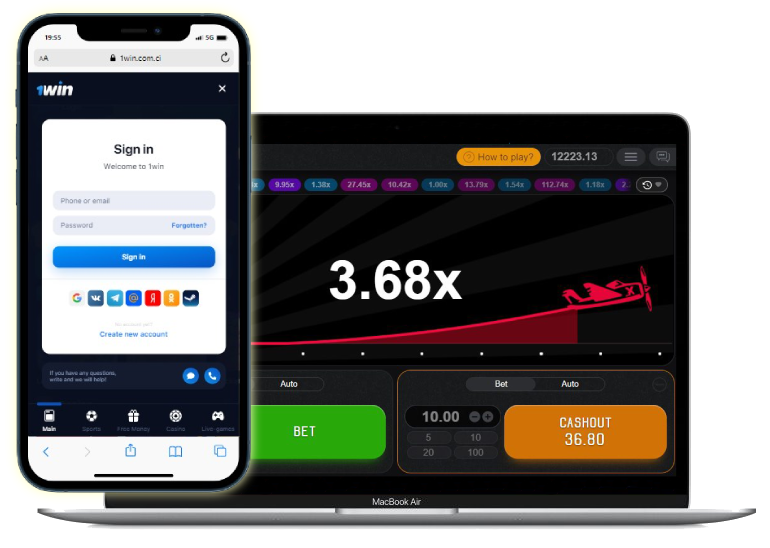
Frequency analysis in the context of Aviator means observing many rounds to identify how often certain multiplier ranges appear; For example‚ players may track how frequently rounds end below 1.5x‚ between 1.5x–3x‚ 3x–10x‚ and above 10x. Over dozens or hundreds of rounds‚ you may notice apparent clusters or stretches of high or low multipliers — but those observations are descriptive‚ not predictive.
Typical distribution observations
- Low multipliers (1.00–1.49): occur often; many rounds end quickly.
- Medium multipliers (1.50–3.00): common and provide steady wins for conservative strategies.
- High multipliers (3.01–10.00): less frequent but still regularly observed.
- Very high multipliers (10x+): rare‚ but they attract attention and often define big winner stories.
Why frequency analysis is limited
Even with large datasets‚ each Aviator round is generated by a provably fair RNG mechanism (Spribe provides fairness verification tools). Frequency analysis helps you characterize past outcomes but cannot reliably forecast the next crash point. Streaks or clusters you observe could be random variance rather than a pattern you can exploit.
How players use frequency analysis
Players from Singapore and elsewhere often apply frequency analysis to inform bankroll decisions and target multipliers for cash-out. Common approaches include:
- Setting a default auto-cashout at a multiplier observed to have high frequency (e.g.‚ 1.5x–2x).
- Using progressive bet sizing where small wins are compounded when short multipliers dominate.
- Waiting for perceived “calm” periods (many low multipliers) before attempting higher-risk plays.
These approaches manage risk and expectations rather than guarantee profit.
Practical tips for Singapore players
If you’re playing Aviator from Singapore‚ consider the following practical points drawn from frequency observations and player experience:
- Set loss limits and session caps — quick rounds can escalate losses fast.
- Use demo mode to observe frequencies without monetary risk (see Demo below).
- Prefer small‚ frequent wins if frequency data suggests many low-to-medium multipliers in current sessions.
- Verify the casino’s licensing‚ payment options‚ and payout speed before betting real money.
Comments on the topic of Games
Interface
The Aviator interface is minimalistic: the multiplier graph is central‚ with bet controls‚ history‚ and chat around it. The design supports rapid decision-making and is easy to read on mobile — a key benefit for players in Singapore who often play on phones.
Demo
Most licensed casinos offering Spribe provide a demo mode. Demo is invaluable for frequency observation: you can log hundreds of rounds in a short time‚ build simple histograms of multiplier occurrences‚ and test how different auto-cashout points perform without financial risk.
Questions and answers
Frequently asked questions
- Is Aviator rigged? Spribe implements provably fair technology; reputable casinos display verification tools so players can confirm fairness for each round.
- Can I predict the next multiplier using frequency analysis? No. Frequency analysis describes past outcomes and can guide risk management‚ but it does not predict future rounds with certainty.
- What multiplier should I target? That depends on your risk tolerance. Many players set auto-cashouts around 1.5x–2x for consistent low-risk returns.
Frequently unasked questions
- How many rounds are enough for meaningful frequency data? Generally‚ more is better — hundreds to thousands of rounds provide clearer statistics‚ but even large samples can show random variance.
- Does chat influence outcomes? No‚ chat is social only; it doesn’t affect RNG.
Expert feedback
Experienced Player
“I tracked 2‚000 rounds during weekend play. Roughly 45% ended under 1.5x‚ 35% between 1.5–3x‚ 18% between 3–10x‚ and 2% above 10x. That shaped my strategy: small stakes with auto 1.6x and occasional speculative bets for high multipliers.”
Analysis of the popularity of the casino-game
Aviator’s popularity in Singapore springs from several factors: short rounds that fit mobile play‚ the thrill of timing cashouts‚ transparent provably fair mechanics‚ and viral big-win stories that circulate in social groups. Frequency patterns contribute to appeal — some players enjoy charting occurrences and sharing their findings‚ while others prefer the social betting experience and live chat.
Why frequency analysis fuels interest
Human brains seek patterns. Observing frequency clusters gives players a sense of control and feeds strategy communities. When a game produces frequent small multipliers punctuated by occasional large ones‚ it creates a dynamic mix of steady action and the dream of a life-changing crash payout. That mix maintains engagement and fosters community discussion around observed frequencies.
Table
with the main parameters of the game
| Parameter | Typical Value / Range |
|---|---|
| Round length | 5–30 seconds (fast-paced) |
| Common cash-out range | 1.20x–3.00x |
| Rare high multipliers | 10x and above (low frequency) |
| Provably fair | Yes (verification available) |
Casino review through playing a casino-game in it
To ground frequency observations‚ I played Aviator at a mid-sized licensed casino accessible in Singapore. The welcome bonuses were clear‚ KYC was standard‚ and deposits/withdrawals supported common methods. Playing 500 rounds revealed distributions similar to the experienced player’s note: lots of quick cash-outs at low multipliers‚ occasional mid-range rounds‚ and very rare big multipliers. The casino’s interface didn’t alter frequencies but did influence the experience via chat activity and social leaderboards.
Final thoughts
Frequency analysis is a useful descriptive tool for Aviator players. It helps set realistic expectations‚ form bankroll rules‚ and choose auto-cashout targets. However‚ it is not a predictive algorithm; the game’s random nature means every round is independent. For Singapore players: use demo mode‚ verify casinos and fairness tools‚ manage stakes carefully‚ and treat frequency findings as guidance for risk control rather than a guaranteed method to win.
Keywords: aviator game frequency analysis